

My Experiment: The Background
At the end of 2024, I was looking for a platform to share content and build an email list. Three platforms kept popping up in my research - Substack, Beehiiv, and Ghost.
I’d never used any of these platforms and couldn’t decide which one to choose. Then I had an idea.
I had three websites (two business and one passion project), each with a slightly different target audience, and I wanted to grow each of these audiences. So why not test out all three platforms?
Rather than just testing them, I decided to share the findings of my experiment with anyone who was interested.
So in January 2025, I launched three publications.
On Beehiiv, I set up My Content Marketing Experiment (which has since transitioned to the Make Your Copy Count Blog that you’re reading now).
On Ghost, I set up The Freelance Fairytale (a blog and weekly email for freelancers).
On Substack, I set up New Brew Thursday UK (which I later moved over to Beehiiv).
In March, I launched a second publication on Substack - Write with Lisa. The paid version went live on April 1st.
So what did I learn from my experiment?
I started with a set of questions, and I’m going to answer those questions in this article one by one:
I hope you find my insights useful…
How easy is it to set up and use these three platforms?
Short answer: Very easy.
Detailed answer: You don’t have to have any technical knowledge or coding skills to get started. Just sign up for an account and off you go.
The only thing I would suggest doing before you start is deciding on whether you want to use a custom domain and what you’d like to call your newsletter. You can change the name of your newsletter later, but you’ll need something to get started with.
If you are going to be using the platforms for blog posts (not just email), you might want to have a couple of posts pre-written so you can add these straight away, but it’s really not a problem if you don’t.
You can also import content and email lists from other platforms, which is simple to do - you’ll just need to export them from your old platform so you can import them to the new.
You can get started with Substack for free - you only start paying a commission if you get paid subscribers.
Ghost doesn’t offer a free plan, but it does offer you a 14-day free trial so you can test it out before you commit.
Beehiiv has a very generous free plan, which allows you to set up a basic site, blog and email newsletter (up to 2500 subscribers). However, if you want to add paid subscriptions and products, use the ad network, and set up automations, you’ll need the paid plan. The link below gives you a 30-day free trial and 20% off for the first three months.
Which platform is best?
Short answer: Depends on what you want to use the platform for and what your goals are.
Detailed answer: I thought there would be a frontrunner early on in the experiment, but there wasn’t. All three platforms offered something slightly different. I loved the simplicity of Ghost, and it offered the most in terms of customisation. Beehiiv had loads of great features, including paid ads and automations. But Substack had the built-in community and social-media-like feed.
However, as the year went on, all three platforms changed.
Ghost launched Ghost 6.0, which (among other things) connects any Ghost publications with an open network. This means people can find your publication, follow, like, and reply to your posts across Bluesky, Flipboard, Threads, Mastodon, WordPress, Ghost, and any other social web platform. And you can share posts from the Ghost dashboard.

In the meantime, Beehiiv rolled out a website builder with pre-made themes, giving you much better customisation options. It later launched even more updates, including the option of adding products, making it an email service provider, website, blog, shop and newsletter all in one.
Substack also added more features, but whereas I thought Ghost and Beehiiv improved, I feel like Substack lost its way.
By June, I was starting to fall out of love with Substack, and by September, I’d moved the New Brew Thursday publication to Beehiiv and had stopped promoting the other.
The trouble with Substack
I can absolutely understand why so many people love Substack. It is a blog, podcast, email list, and social media all in one. You can post notes, do live videos, and create a community with live chat. And it’s completely free until you start getting paid subscribers.
But I really don’t like it.
I think the fact it’s free is part of the problem. It’s becoming more and more like other social media platforms, full of people trying to make a quick buck. My feed started getting so full of “follow me, and I’ll follow you” posts and “how to get 10k followers in less than 7 days” type articles, that I couldn’t bear it anymore.
I thought the fact it had its own huge community would make it easier to get subscribers, but I didn’t see much difference compared to the other platforms. If anything, it felt like you had to work harder to get noticed.
I’m not saying Substack isn’t a good platform - I do still think it has some great features. But it’s just not for me.
I wrote about the good and the bad points of Substack earlier in the year, so if you are interested in a (reasonably) balanced view, check it out.

So which platform is best?
Back to the main question I wanted to answer - which platform is best?
Well, it really depends on what your goals are.
Substack is best if you want somewhere to share long-form and short-form content in a range of formats, and you have time to play the engagement game.
Ghost is best if you want simplicity and an easy-to-use platform to share your blog posts, build an email list, and create paid memberships.
Beehiiv is best if you need more advanced email features, such as automations and segmentation, and/or you’re interested in monetising your content through paid subs, ads, boosts, and products.
If you’d like a more detailed overview of the features, check out the guide below.

And if you’d like me to help you choose the right platform for you based on your marketing strategy, book a 90-minute consultation, and we’ll put together an action plan.
How much time and effort is required to create content and generate subscribers?
Short answer: As much time and effort as you want to put in (or can manage).
Detailed answer: This question is really two questions, but the answer is the same for both. It really depends on how much time and effort you can dedicate to your publication.
If you don’t set aside time to create content, you won’t produce any. And if you don’t put any effort into generating subscribers, you won’t get any.
How long it takes to write content depends on you. I can write pretty quickly because I’ve been doing it for so long. You might not be as fast at writing, so it may take longer. Or you might use AI to write your content, which will speed up the process.
Personally, I prefer to write all my own stuff. I enjoy the process, and I find it helps me clarify my thoughts.
On average, I would say I spend between three and six hours per week creating content for this publication and The Freelance Fairytale (which includes a weekly blog post, weekly email, and a handful of social media posts). If I’m creating more in-depth guides (such as this one), it can take even longer.
The advantage you have when it comes to content creation is that you have full control over whether it gets done or not. You don’t have quite as much control over whether you attract subscribers because you can’t force people to sign up.
Luckily, there are plenty of places you can promote your content. From what I’ve seen and heard over the last twelve months, a lot of people use paid ads. I haven’t spent any money promoting my publications, so I’ve grown organically (if a little slowly).
In the early days, most of my subs came from social media (mainly LinkedIn), but as the year went on, I started seeing more from Google (via blog posts), referrals from other newsletters, and even ChatGPT.
Growing an email community takes time, but once you start to get some traction, it gets easier. I’ve built up a stack of content, so I have good foundations in place to grow.
My biggest “mistake”
I’m fairly sure that if I had only launched one publication and had focused all my attention on that, I’d have seen my subscriber numbers grow much faster.
I launched three at once and then added a fourth within three months.
This was my biggest mistake.
I say mistake, but it was completely intentional. The whole point of my experiment was to test different platforms, and I couldn’t do that if I only launched one publication.
Even so, trying to manage four different publications (around running a business) was never going to be easy.
If you only have one email list to grow, you can focus all your time and effort on that one list. You only have to write content for one publication. You only have to promote one newsletter.
So if you’ve been thinking about starting a few different publications, I would suggest starting with one. Focus on growing that, and then decide whether you want to start a second. You’ll get results much faster if you aren’t spreading yourself too thin.
Get a free copy of my upcoming book
I’m currently writing a beginner’s guide to email marketing, due for release in January 2026. If you’d like to get your hands on a free copy, subscribe to my weekly email.
All subscribers at the time of launch will get access to a free copy.
How do you attract and retain subscribers?
Short answer: Quality content.
Detailed answer: This one is simple. Give subscribers something worth subscribing to. I might not have attracted huge numbers of subscribers, but my retention rates are excellent, and my click-through rates are pretty good too. That tells me I’m doing something right.
When it comes to attracting new subscribers in the first place, there are a few ways to do this, including using lead magnets, paid ads, blogs, SEO and social media. I haven’t personally used paid ads, but from what I‘ve seen and heard, plenty of creators do.
At risk of this article going on for days, I’m not going to go into detail on all the different ways, but here are a couple of posts you might find useful.

Retaining subscribers is just about delivering on your promises. Give them the thing they signed up for. And give them a reason to keep opening your emails. Be someone they want to hear from.
What are the different options for monetising your newsletters?
Short answer: Options include products and services, paid subscriptions, donations, affiliate links or referrals, and sponsorship or ads.
Detailed answer: I wrote about monetisation a while back, so rather than cover it in detail again, here’s the link.

If you’re a business, I would recommend starting with the obvious and using your email to promote your products and services.
You will need to be careful doing this on Susbtack, as they do state in their terms that you cannot use the platform purely to advertise external products. Many users aren’t aware of this rule, and I’ve heard of people suddenly getting banned and losing their accounts as a result.

In November, Beehiiv introduced a “Products” feature, which allows you to sell digital products directly through your publication.
Once you’ve added your product, you can add it to emails, posts or pages (as per the example below).
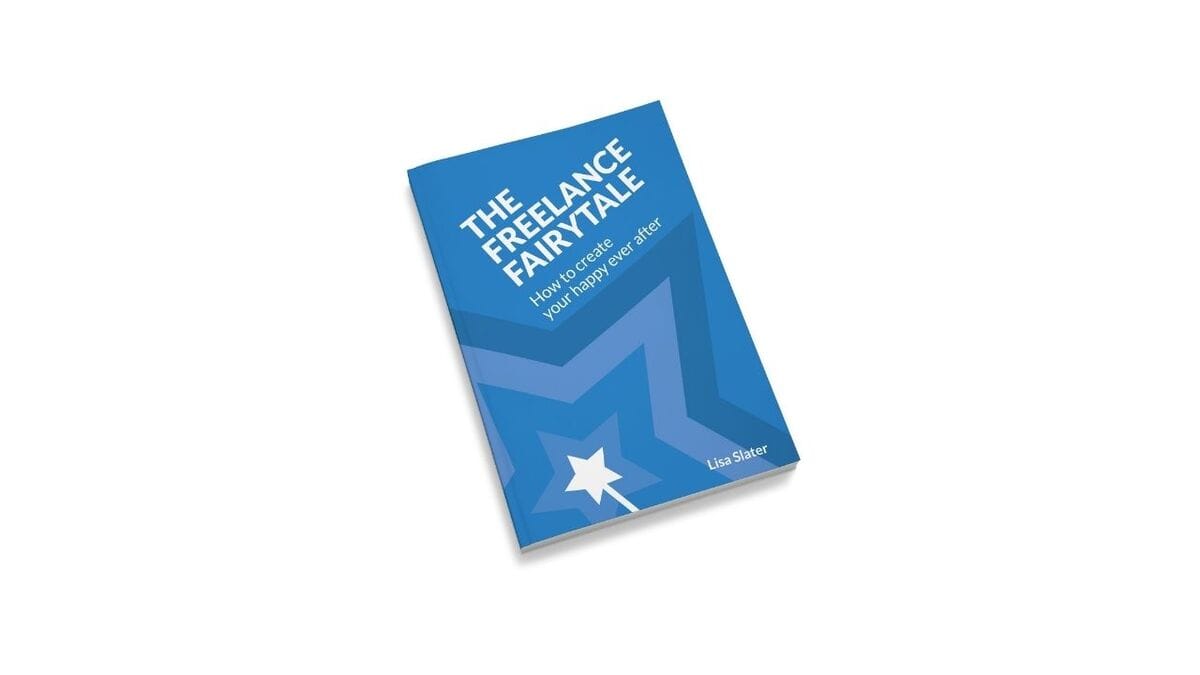
The Freelance Fairytale: How to Create Your Happy Ever After
Book (PDF Version)
Ghost also allows you to add products to emails and posts, but you can’t take payment via the site, so you’ll need to set up your own payment links and then add them each time you promote a product.
Should you offer paid subscriptions?
I would not have launched my paid membership so early if I hadn’t been running my experiment in public.
It’s not that you need a high number of subscribers to get going - you don’t. It’s more that it requires a lot of extra work.
My paid subscription included monthly events, not just content, but some paid subscriptions are purely content-based. That’s fine, but your content does need to be good enough to justify the cost.
And if you’re putting a lot of effort into creating paid-for content, you’ll want to make sure it’s worth your time. If you launch a paid subscription and you only have one person paying £5 per month, that means you have to make extra content just for them. If it takes you an hour to write that content, that’s less than minimum wage for your efforts.
Substack loves to push creators towards creating paid subscriptions because that’s how it makes its money. It takes 10% of everything you earn. The minimum you can set your subscription at is $5 per month or $50 per year.
The platform being geared towards paid subscription services, doesn’t necessarily make it easier to get them. Substack users are constantly being asked to subscribe to publications and upgrade to paid subscriptions.
While $5 per month might not seem like a lot of money to access someone’s best content, it can soon add up if you’re subscribing to multiple publications. Subscribe to ten of your favourite Substacks, and that’s $500 per year.
On the other hand, you can get a Medium Membership for $50 per year, which gives you access to content from hundreds of writers.
I guess my point is it’s really not as easy as some people would have you believe to make money through paid content. If you do want to go down that route, make sure you have something people will be prepared to pay for and plenty of time to promote it.
Tips & donations…
One way you can make a few extra pennies from your content is by asking for tips or donations.
Ghost has a specific feature allowing you to set up a dedicated payment link for tips and donations.

Beehiiv doesn’t have a dedicated tip feature, but when you’re creating paid subscriptions, there is a “name your price” feature, so essentially, you could use this.

And there are plenty of platforms you can use to set up a tip jar of your own. I use Buy Me a Coffee (although I changed mine to buy me a beer).
How easy is it to make money from email newsletters?
Short answer: Not as easy as the six-figure gurus would have you believe.
Detailed answer: As I said earlier in this post, I’d have had faster subscriber growth if I had focused on a single publication. And I’m pretty confident that would have translated into greater financial rewards.
I didn’t expect to see huge earnings from my experiment, and I wasn’t really doing it to get rich (although that would have been nice), but overall, I did make a small profit.
Once I deducted all the costs (platform costs, commissions, and Stripe fees), my total earnings (memberships, donations, ad revenue and Medium payments) came to just under £1000. Not exactly big bucks, but better than nothing.
And despite not becoming an overnight millionaire, I am confident that the learnings and future earnings will mean it was all worth the effort.
The year I spent on my “experiment” put me in a good place. I've been able to tweak and refine my approach, decide what I enjoy, what works well, what I can improve, and what I need to do next. More importantly, I now have loads of extra knowledge, skills, and experience to pass on to clients, meaning my services are even better than ever.
So what’s next?
I have absolutely loved running my experiment. It gave me renewed motivation, taught me loads, and gave me new skills, experience, and knowledge, all of which can now be passed on to my clients.
And although I haven’t made huge amounts of money or generated hundreds of thousands of subscribers, I have gained so much. Plus, I’m heading into 2026 with a clear content marketing strategy and excellent foundations to build on.
I will be continuing to use Beehiiv for New Brew Thursday and my Make Your Copy Count Blog & Email, and I’ll be sticking with Ghost for The Freelance Fairytale.
Regarding Susbtack, I have members paid up until the end of March, so I’ll stick with it until then before dropping that publication. I may or may not keep an account on Substack, but it won’t be my priority.
I’m currently writing a book about email marketing, which will (hopefully) be ready to publish sometime in January 2026. If you’d like to get your hands on a free copy, make sure you are subscribed to my weekly emails.
Growing my email list will be my priority for 2026 as I genuinely believe it is one of the best forms of online marketing. If you have any questions, feel free to email me ([email protected]), and if you’d like any help with copywriting or content marketing, you can always book 90 minutes with me here.
If you’d like to receive my weekly emails, hit subscribe, and I’ll be in your inbox every Friday.
P.S. I also have a free 14-day email course to help you improve your sales copy and marketing content. You can find out more and sign up here.
