

When you hear "email marketing", what comes to mind?
Sales pitches dropping into your inbox from companies you've never heard of?
Endless special offers and discounts from a retailer you bought from once?
Or a series of messages from someone whose ebook you downloaded last week?
All of these things fall under "email marketing", and that's part of what makes email so good. You can tailor your approach to suit your business and your ideal audience.
But this article focuses on newsletters - sending regular emails to people who have opted in to hear from you. And if you don’t already send regular emails to your subscribers (or you don’t have an email list at all), then you’re missing out.
Newsletters have evolved
Newsletters have evolved. They are no longer boring emails full of company updates. They are relationship-builders that inform, inspire, educate, entertain, and invite conversations. People sign up to your emails because they want to hear from you. They are interested in what you have to say or in the value you offer.
And the way people read email newsletters has changed too. I know people who have a dedicated email account for newsletters or people who have dedicated folders in their inbox for these types of emails. And some people carve out time to catch up on all the newsletters they have subscribed to. They set aside time on a specific day. Or they read their favourite newsletters while they have their morning coffee. Their inbox is essentially a curated feed of content they care about.
So don't view newsletters as boring updates that you have to hash together once a month. View them as an opportunity to communicate with people who care about what you have to say. And don't view your email list as a bunch of people to try and sell to at every opportunity. View them as a community you want to engage with. Give value, and you'll get value back.
Advantages of email
There’s a reason email marketing is still going strong while many social media platforms and marketing mediums have come and gone.
Email marketing works. And I genuinely believe it is the best type of marketing you can do online right now. You have more control. You can be flexible. And your email content can evolve with your business.
The majority of people have an email address
If you use a social media platform as your main source of leads, you are limiting your audience. Not everyone uses social media, and not everyone who uses social media is on every platform.
You might meet someone at a networking event who is exactly the kind of person you would love to work with. You ask them to connect on your preferred platform, but they don’t use it. Or you connect with them, but it turns out they aren’t very active on that platform so they are never seeing any of your content.
In contrast, 90% of UK adults have an email address (and 93% of those people check it daily). So, pretty much anyone you meet (online or off) can be added to your email list (if they want to be).
You are not reliant on algorithms
When you post on social media, chances are most of your followers won’t see it. You’re at the mercy of the algorithm gods. Same for SEO - you might share an excellent blog post, but you can’t be sure Google (or any other search engine) will show it to the right audience.
But with email, you know the right people will see your email because you choose exactly who to send it to. They might not open your email. They might not read your entire email. But they’ll see your name in their inbox. They’ll be aware of the message, and they can decide if or when they read it.
Plus, they can save that email to read later or revisit. It’s much harder to find social media posts if you don’t bookmark them or save the link somewhere.
You own your list
Time and again, I've seen people put huge amounts of effort into building a big following only to have their account banned, hacked, or suspended. Or the algorithm changes so the stuff that used to work for them no longer works, and all their hard work has pretty much gone to waste.
But what can you do? Your audience is on that platform, so you feel tied to it. You don’t want to start again from scratch somewhere else.
If you’re building an email community, you don’t have to. Your list is yours. Yes - you will use an email service provider to send emails from, but you aren’t tied to it. You can take all your subscribers with you to another platform if you decide to switch.
You have an engaged audience
When you share something on social media, not everyone who follows you will see your post. Those who do see it won’t necessarily give it their full attention because they know there’s more content below yours in their feed. Plus, their reason for following you won't necessarily be because they're interested in your content (they might only have connected because they want to sell you something).
But the people on your email list are different. You know they will see your email in their inbox (even if they don't open it). If they want to read it, they’ll set aside time to give it their full attention. And they have opted in to your emails, so you know they definitely want to hear from you.
Easier to track results
It’s too easy to get distracted by vanity metrics on social media. Likes and views give us that little dopamine hit, and it can be tempting to start creating content purely for engagement.
But likes and views don’t pay the bills. And if your social media content isn’t generating leads or sales, do those metrics really matter?
With email, you can track everything. You can see which platforms are attracting the most subscribers, which blog posts, landing pages or lead magnets are converting at the highest rate. You can see your open rates, so you know which types of email your subscribers are most interested in. And you can track clicks so you know which call to actions, products, or offers generate the most enquiries.
You can focus on the right things, build on the stuff that works and do less of the stuff that doesn’t.
Creates a connection with potential and existing customers
As I said above, newsletters have evolved, and I don't think newsletter is an adequate description anymore. These types of email can (and should) include so much more than company news. They can contain your thoughts, insights, experiences, opinions, and expertise. They can be informative, educational, insightful, inspiring, or entertaining. They can be anything you want.
But the idea is that you regularly provide your subscribers with something of interest. You can do that by sharing tips and advice, but you can also reflect on things that have happened that day or week, share recent experiences, or give your opinions on current trends. And when you do, your emails will feel more personal, and you’ll build a greater connection with your readers, so if or when they are in the market for what you offer, you are the first person they think of.
How to get started with email
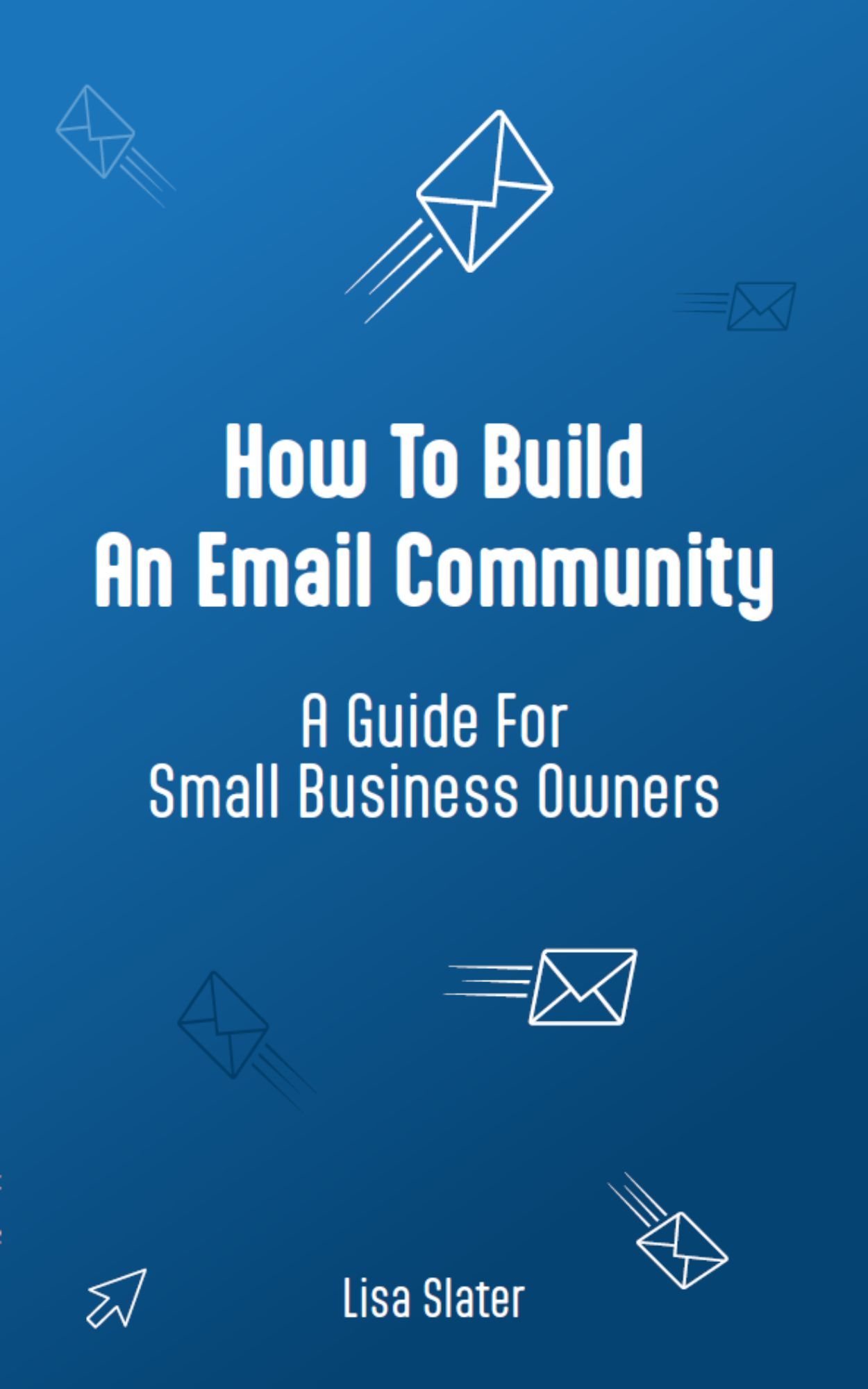
Hopefully, this article has shown you the value in building an email list, but you probably have a lot of questions about how to get started. Fortunately, I’ve written a book all about how to build an email community.
It’s written for beginners so if you’ve never tried email marketing before, it will give you a great starting point. And if you do already have a list, but are inconsistent with your emails or just aren’t getting results with it, this book will take you back to basics, so you can figure out what you need to fix.
“Unlike all other guides on this topic, Lisa's book talks to you like a human being (and one who's full of hesitancy, curiosity, and not knowing what the right questions are we should be asking about email communities and lists).
It's refreshingly straightforward, and focussed not on the techy wizz bangs (that you can find anywhere) but on helping make sure that the reader is most confident and certain about the email adventures they're about to embark on.
What's also brilliant is Lisa' honest sharing of her own email experiments (to help us avoid the time and cost we might otherwise forfeit) - another sign of her genuine interest and commitment to supporting people, rather than just helping us become another name on someone else's' email list.”
Or if you’d prefer something a little more hands-on, why not book a 90-minute consultation, and we’ll put together an action plan.
If you’d like to receive my weekly emails, hit subscribe, and I’ll be in your inbox every Friday.
